
Categories
Selling Your Home, FSBO, Selling At Essex House, Selling At Kennedy HousePublished August 11, 2026
Seller’s Security Checklist: How to Keep Your Home Safe While It’s on the Market

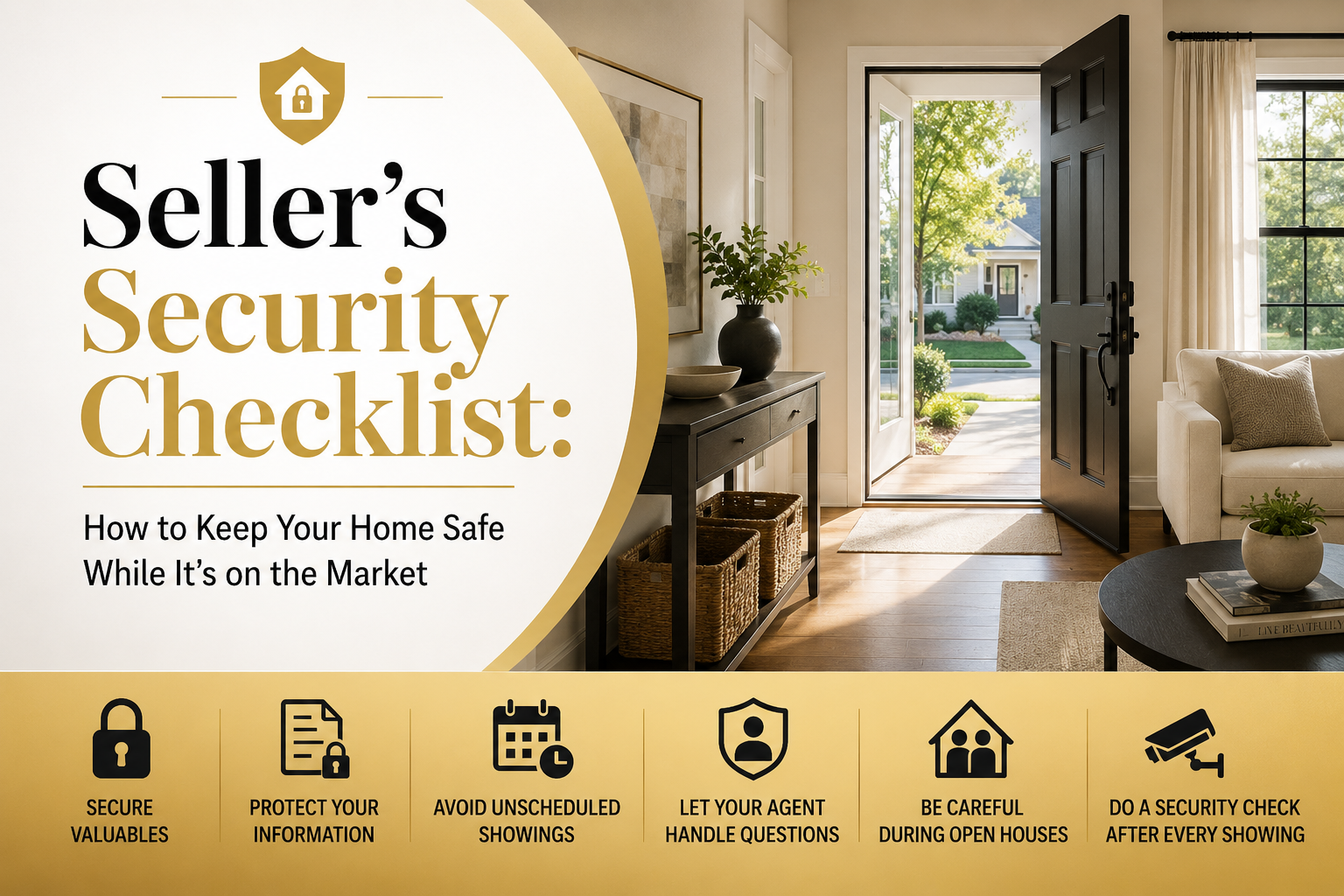
Selling your home is exciting, but opening your doors to potential buyers also means allowing unfamiliar people into your personal space.
As an experienced real estate broker, one of my priorities is helping sellers protect their home, belongings, privacy, and family throughout the selling process.
Before your first showing or open house, take a few minutes to review this Seller’s Security Checklist.
1. Secure Valuables Before Showings
Before buyers enter your home, remove or securely store valuable and personal items, including:
- Jewelry, watches, cash, and credit cards
- Prescription medications
- Passports and other identification
- Checkbooks and financial documents
- Small electronics and easily portable valuables
- Spare keys and garage-door remotes
Don't assume that putting something inside a drawer is enough. Buyers may open closets, cabinets, and built-ins while evaluating storage space.
2. Protect Your Personal Information
Your home contains more private information than you may realize.
Remove mail, bills, bank statements, tax documents, medical paperwork, calendars, family schedules, and anything displaying account numbers or other sensitive information.
Family photographs and children's information should also be limited when possible. You want buyers focused on the property—not on the personal details of the people who live there.
3. Avoid Unscheduled Showings
Never feel obligated to let an unexpected visitor into your home simply because they say they are interested in buying it.
Showings should be scheduled in advance and, whenever possible, coordinated through your real estate professional.
A serious buyer should understand and respect the showing process.
4. Don't Discuss Your Schedule or Security
Avoid telling prospective buyers when the home will be empty, when you're leaving for vacation, your daily work schedule, or details about your alarm or security system.
Even casual conversation can reveal more information than intended.
5. Let Your Agent Handle Buyer Questions
Buyers naturally have questions about the home, neighborhood, your motivation for selling, and how quickly you want to move.
Some of those questions may affect your negotiating position.
Instead of discussing your personal circumstances directly with buyers, allow your real estate agent to communicate on your behalf. This protects both your privacy and your negotiating leverage.
6. Be Careful During Open Houses
Open houses can bring several visitors into a property at the same time.
Before an open house:
- Secure valuables and medications.
- Remove sensitive documents.
- Lock areas that buyers do not need to access.
- Keep portable electronics out of sight.
- Check windows and exterior doors afterward.
- Make sure nothing unusual has been moved or left behind.
After the open house, your agent should make sure the property is properly secured.
7. Protect Your Children and Pets
Children should never be responsible for answering the door or allowing prospective buyers inside.
Pets should also be safely secured or, preferably, removed during showings. Even friendly pets can become frightened or stressed when unfamiliar people repeatedly enter the home.
8. Use Smart-Home Technology Carefully
Today's homes may contain security cameras, smart locks, video doorbells, voice assistants, and other connected devices.
Before listing your home, review device permissions, access codes, recorded information, and privacy settings. Never provide permanent security codes to prospective buyers.
If temporary access codes are being used for authorized showings, they should be carefully controlled.
9. Never Show the Property Alone to an Unknown Buyer
If someone contacts you directly and asks to see the property, don't put yourself in an uncomfortable situation simply because you don't want to lose a potential buyer.
When possible, have your real estate professional coordinate the showing and determine whether the buyer is already working with an agent and is financially prepared to purchase.
Your personal safety is always more important than accommodating an unscheduled showing.
10. Do a Security Check After Every Showing
Once a showing or open house is complete, check the property.
Make sure:
- Exterior doors are locked.
- Windows are closed and secured.
- Valuables remain in place.
- Prescription medications are secure.
- Garage and basement doors are locked.
- Keys and remotes haven't been moved.
- Alarm and security systems are properly reset.
A two-minute check can provide valuable peace of mind.
Selling Your Home Shouldn't Mean Sacrificing Your Privacy
A successful home sale involves much more than putting a property online and waiting for buyers.
Professional representation can help control access to your property, coordinate showings, communicate with buyers and their agents, protect your negotiating position, and guide you through the transaction from listing through closing.
If you're thinking about selling a home in Forest Hills, Rego Park, Kew Gardens, or the surrounding Queens area, I would be happy to discuss how to prepare, price, market, and safely show your property.
Olga Mayayeva
Associate Real Estate Broker | eXp Realty
718-781-3074
RealtorOlga.com
Thinking about selling? Contact me for a confidential, no-obligation consultation and find out what your property may be worth in today's market.

Olga Mayayeva
Associate Real Estate Broker | Olga Mayayeva, Realtor | EXP Realty
or another way